Welcome to Multan Scientific Labs

Dicot Leaf

The Dicot Leaf Model is a high-quality educational tool designed to demonstrate the detailed structure of a dicotyledonous leaf. It clearly shows the anatomical features such as epidermis, palisade mesophyll, spongy mesophyll, veins, and stomata, making it an essential resource for biology students and teachers. This model is widely used in school labs, college labs, and universities across Pakistan to support practical learning in plant anatomy. Durable and easy to handle, it is ideal for visualizing internal structures that are otherwise difficult to study under a microscope.

The Dicot Leaf Model is an essential teaching aid for understanding plant anatomy in biology laboratories. Specifically designed for practical demonstrations, this model represents the internal structure of a dicotyledonous leaf in an enlarged and easy-to-view format. It provides a clear illustration of the epidermis, palisade mesophyll, spongy mesophyll, xylem, phloem, stomata, and other key tissues that play a vital role in photosynthesis and plant physiology.

In many classrooms and laboratories, microscopic slides are used to study dicot leaf cross-sections. However, beginners often struggle to observe the fine details through a microscope. This is where the Dicot Leaf Model becomes highly effective—it simplifies complex plant structures by enlarging them, allowing students to clearly understand the arrangement and function of each part. Teachers and instructors can use it to explain the transport of water, minerals, and nutrients through vascular bundles, as well as the gas exchange process through stomata.

Constructed from durable plastic or polymer, the model is designed to withstand regular handling in school labs, college labs, and university classrooms. Its sturdy base ensures stability during demonstrations, while the enlarged view provides better comprehension of plant anatomy concepts. The color-coded design highlights different tissues and structures, helping students easily differentiate between layers.

This model is particularly useful in Pakistan’s educational institutions, where biology is a compulsory subject at multiple levels. From secondary school science classes to advanced botany studies in universities, the Dicot Leaf Model serves as a reliable and reusable teaching resource. It bridges the gap between textbook diagrams and microscopic slides by providing a hands-on, three-dimensional representation that enhances student engagement and retention.

In addition to classroom use, this model is also beneficial for laboratory demonstrations, teacher training, and examination preparation. By providing a tangible way to study dicot leaf anatomy, it makes complex biological concepts easier to grasp, ensuring that students gain both theoretical knowledge and practical understanding.
Product Name: Dicot Leaf Model Category: Biology Lab Model Material: Durable plastic/polymer Size: Enlarged for clear visualization Usage: Plant anatomy study in schools, colleges, and universities Features: Detailed internal structure, sturdy base, long-lasting finish

Related Products

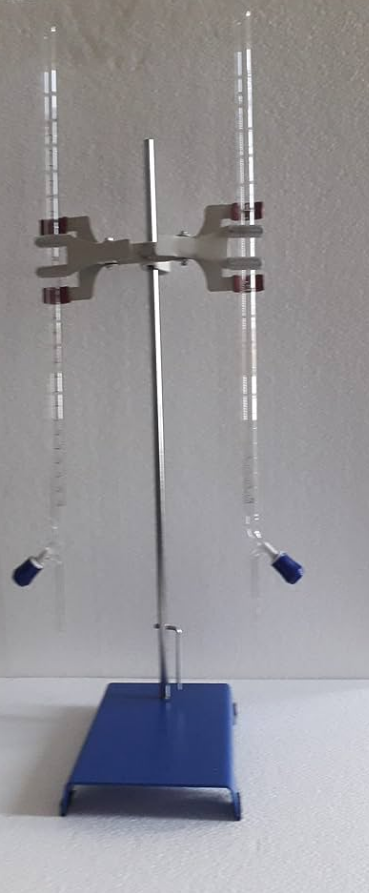
Burette Stand

Burette Stand

A burette stand is a laboratory support apparatus designed to hold burettes securely in a vertical position during titration and other liquid-measuring experiments. It ensures accuracy, stability, and safety while dispensing precise volumes of liquids in laboratory procedures. Purpose of a Burette Stand The main purpose of a burette stand is to provide firm and

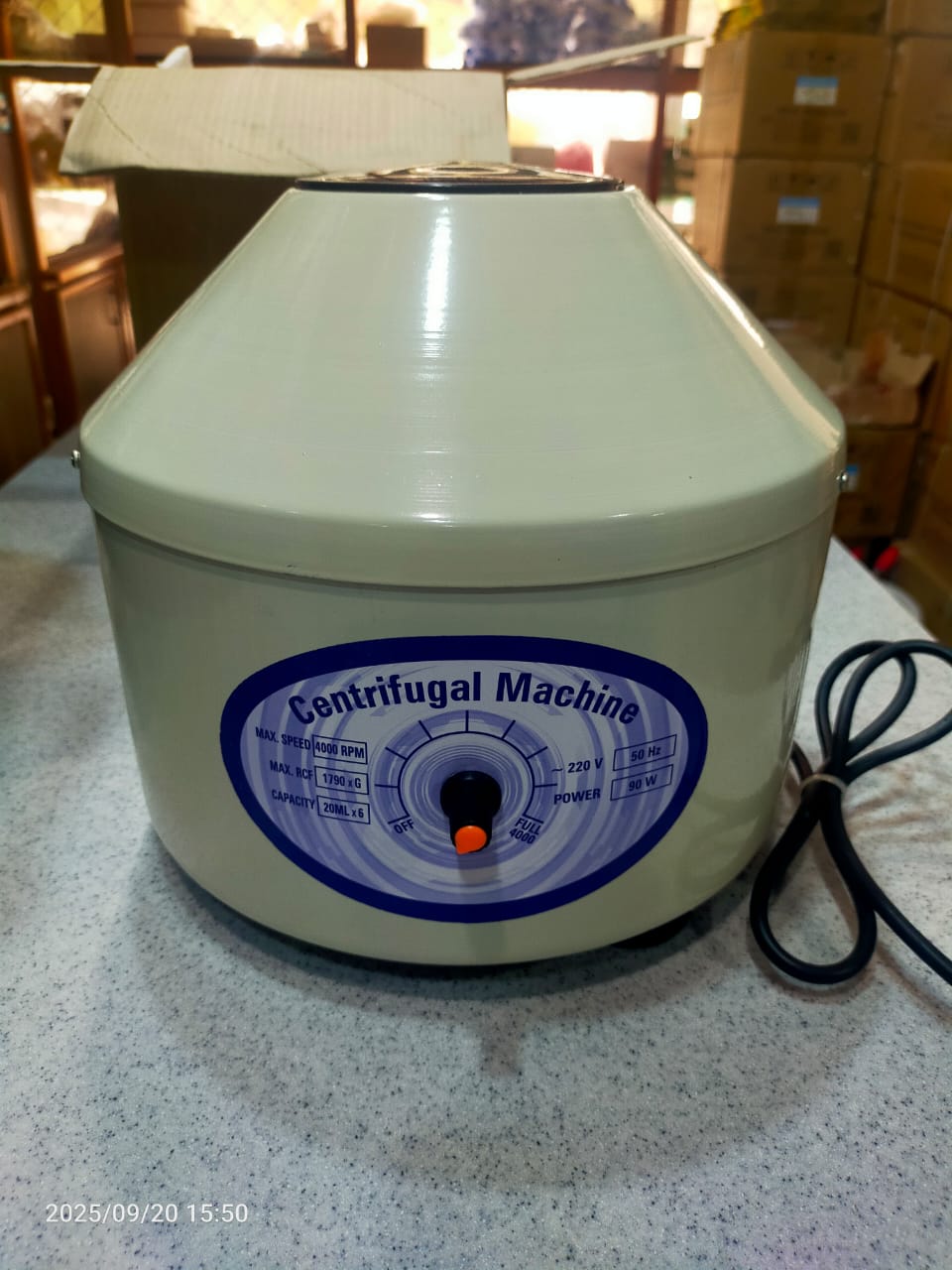
Centrifuge 800

Centrifuge-800

The Centrifuge-800 is a laboratory instrument designed to separate components of liquid samples by using centrifugal force. When the rotor spins at high speeds, heavier particles in a mixture are pushed outward while lighter components remain closer to the center, allowing for efficient separation based on density Purpose of the Centrifuge-800 The main purpose of

Centrifuge Machine

Centrifuge 80-1

The Centrifuge 80-1 is a compact and reliable laboratory centrifuge designed for the separation of liquids with different densities. It works by spinning samples at high speed, allowing solid particles or heavier components to settle at the bottom while lighter substances remain on top. This centrifuge is widely used in routine laboratory testing and educational

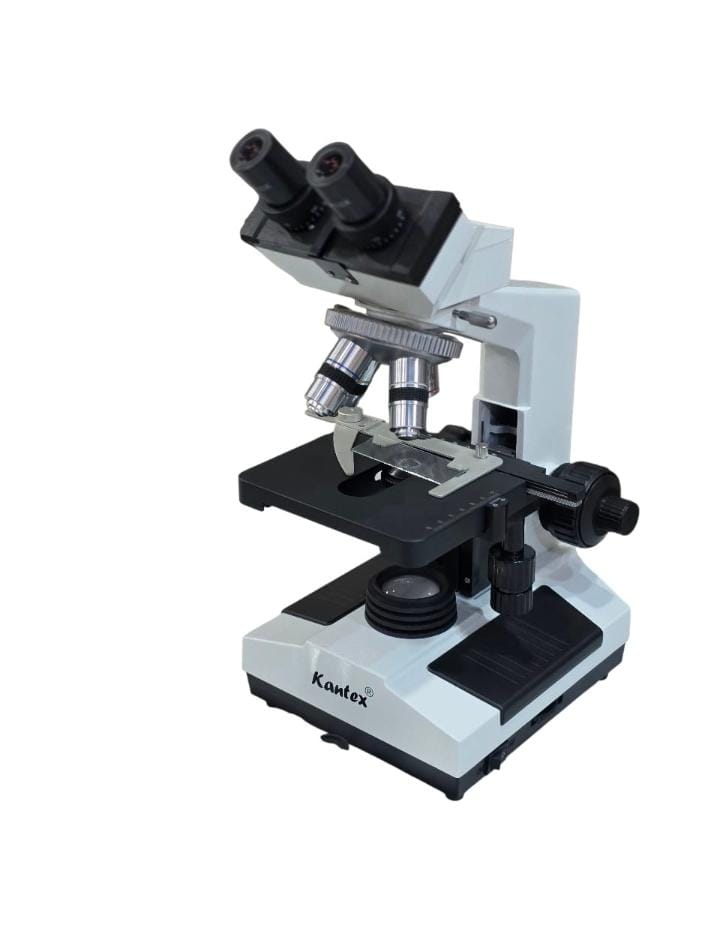
Binocular Microscope 107bn for medical lab

Binocular Microscope

A Binocular Microscope is a precision laboratory instrument designed for comfortable and accurate observation of microscopic specimens using two eyepieces, allowing natural vision and reduced eye strain. It is widely used for routine analysis, research, and educational purposes where clear magnification and depth perception are required. How to Use a Binocular Microscope Laboratories Where It

Ready to Take the Next Step?

Join thousands who trust us to help them succeed. Whether you’re getting started or looking to grow, we’re here to support your journey.