Welcome to Multan Scientific Labs

Glass Funnel – Laboratory Funnel for Filtration & Liquid Transfer

The Glass Funnel is a commonly used laboratory tool designed for safe and efficient transfer of liquids and fine-grained substances into containers with narrow openings. It minimizes spillage and waste during experiments or sample preparation. This durable and heat-resistant funnel is suitable for use in both chemistry and biology labs, making it ideal for schools, colleges, universities, and professional laboratories across Pakistan. Its transparent glass construction ensures clear visibility of the liquid flow, ensuring accurate and convenient laboratory work.

A glass funnel is an essential piece of laboratory glassware widely used for liquid transfer and filtration in scientific experiments. Made from high-quality borosilicate glass, this lab glass funnel is heat-resistant, chemically inert, and ideal for precise laboratory work. It is commonly searched as laboratory glass funnel, chemical funnel, filter funnel, and glass funnel for lab use.

Where Is a Glass Funnel Used?

Glass funnels are used in:

  • Chemistry laboratories
  • School & college science labs
  • Pharmaceutical laboratories
  • Biochemistry & analytical labs
  • Industrial and research laboratories

They are mainly used during chemical handling, filtration processes, and safe liquid pouring.

How to Use a Glass Funnel

  1. Place the glass funnel securely in the mouth of a beaker, flask, or bottle.
  2. If filtration is required, insert filter paper into the funnel.
  3. Slowly pour the liquid or chemical solution into the funnel.
  4. Allow the liquid to pass through safely without spillage.

This process ensures clean filtration and accurate transfer of laboratory chemicals.

Benefits of Using a Glass Funnel

  • Prevents spillage and chemical waste
  • Ensures safe and accurate liquid transfer
  • Ideal for gravity filtration
  • Resistant to heat and chemical corrosion
  • Easy to clean, reusable, and long-lasting
  • Provides high precision in laboratory experiments

Purpose of a Glass Funnel

The primary purpose of a laboratory glass funnel is to direct liquids into narrow-neck containers and to perform solid-liquid separation using filter paper. It is an essential tool for chemical filtration, solution preparation, and laboratory safety.
Material: High-quality borosilicate glass Design: Wide top with narrow stem Sizes Available: 50 mm, 75 mm, 100 mm (custom sizes available) Application: Safe transfer of liquids, filtration, and lab experiments Heat Resistance: Suitable for standard laboratory heating processes

Related Products

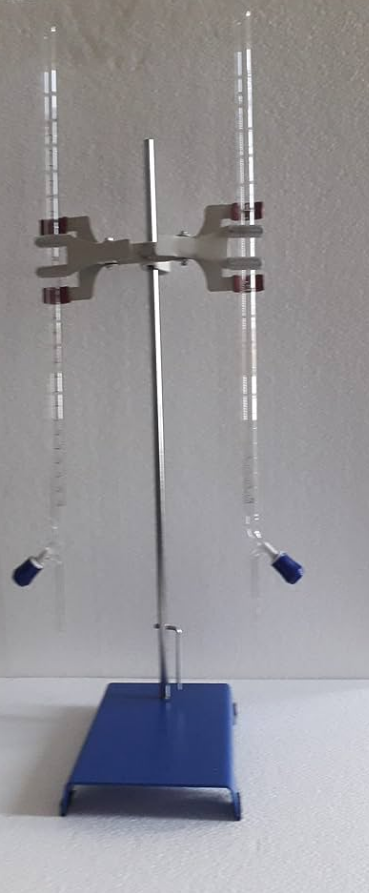
Burette Stand

Burette Stand

A burette stand is a laboratory support apparatus designed to hold burettes securely in a vertical position during titration and other liquid-measuring experiments. It ensures accuracy, stability, and safety while dispensing precise volumes of liquids in laboratory procedures. Purpose of a Burette Stand The main purpose of a burette stand is to provide firm and

Centrifuge 800

Centrifuge-800

The Centrifuge-800 is a laboratory instrument designed to separate components of liquid samples by using centrifugal force. When the rotor spins at high speeds, heavier particles in a mixture are pushed outward while lighter components remain closer to the center, allowing for efficient separation based on density Purpose of the Centrifuge-800 The main purpose of

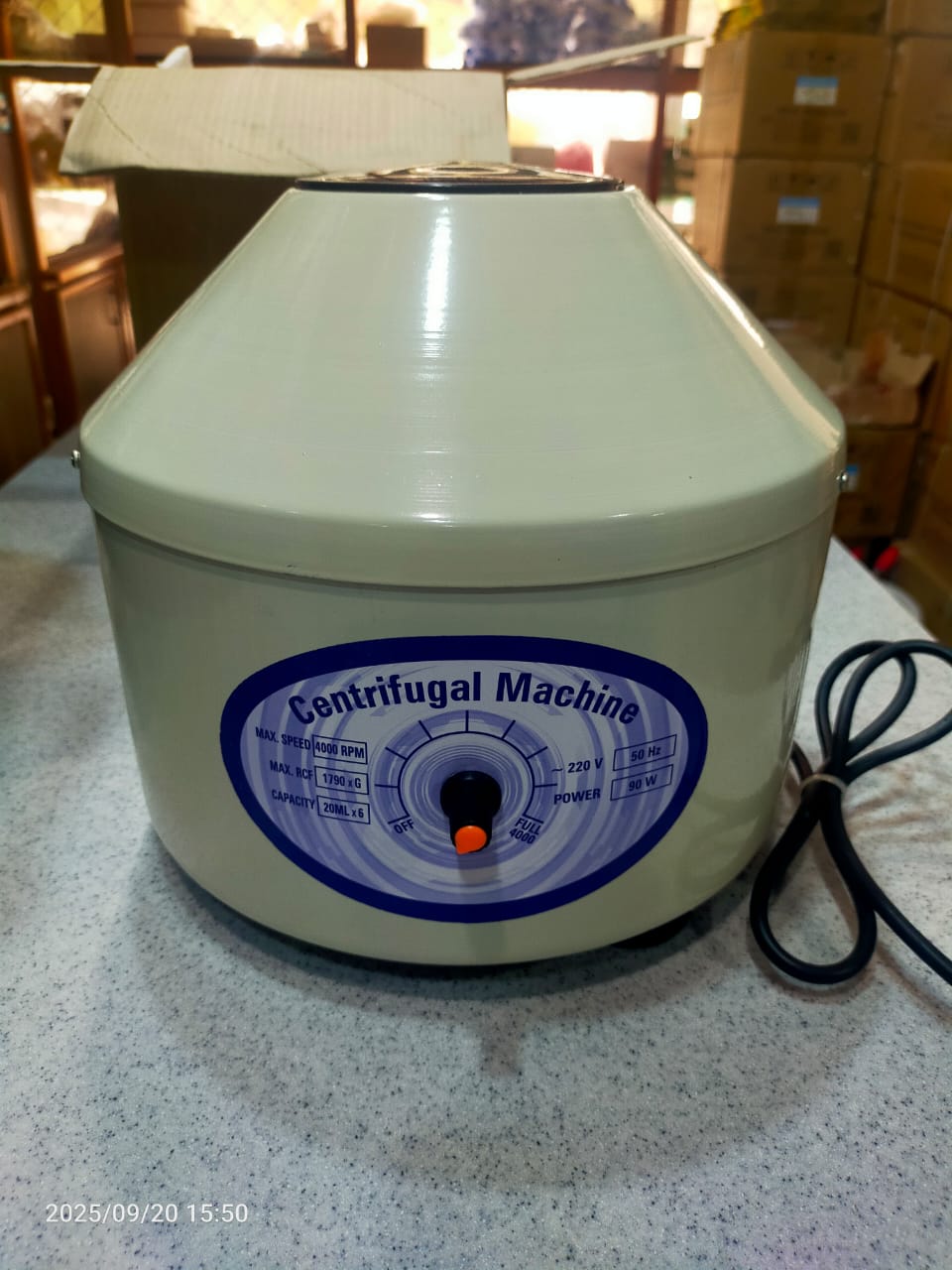
Centrifuge Machine

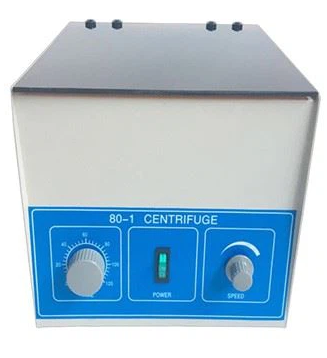
Centrifuge 80-1

The Centrifuge 80-1 is a compact and reliable laboratory centrifuge designed for the separation of liquids with different densities. It works by spinning samples at high speed, allowing solid particles or heavier components to settle at the bottom while lighter substances remain on top. This centrifuge is widely used in routine laboratory testing and educational

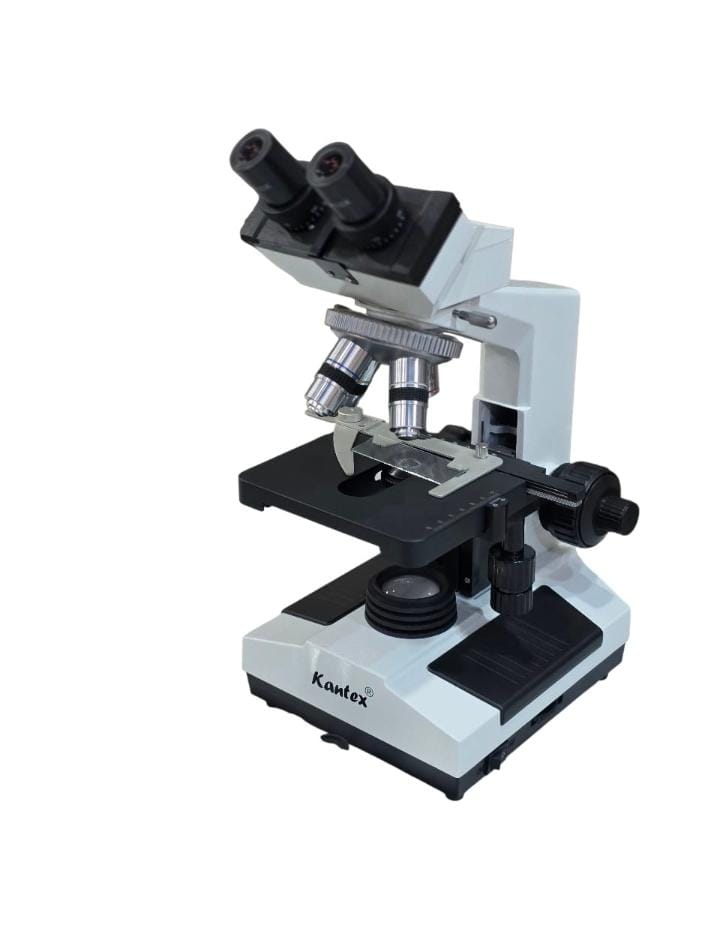
Binocular Microscope 107bn for medical lab

Binocular Microscope

A Binocular Microscope is a precision laboratory instrument designed for comfortable and accurate observation of microscopic specimens using two eyepieces, allowing natural vision and reduced eye strain. It is widely used for routine analysis, research, and educational purposes where clear magnification and depth perception are required. How to Use a Binocular Microscope Laboratories Where It

Ready to Take the Next Step?

Join thousands who trust us to help them succeed. Whether you’re getting started or looking to grow, we’re here to support your journey.