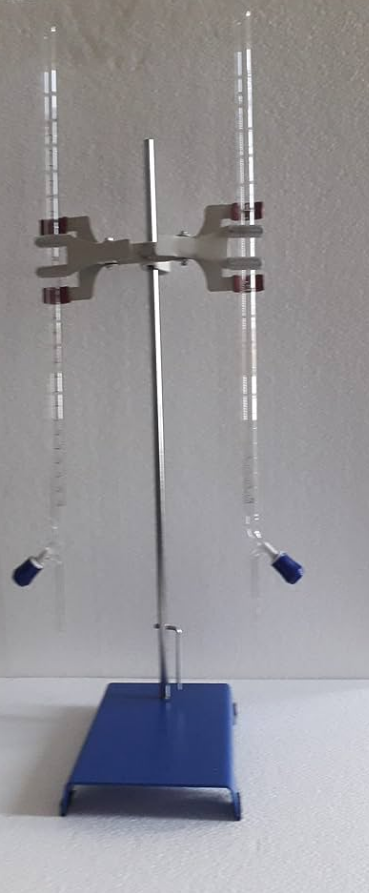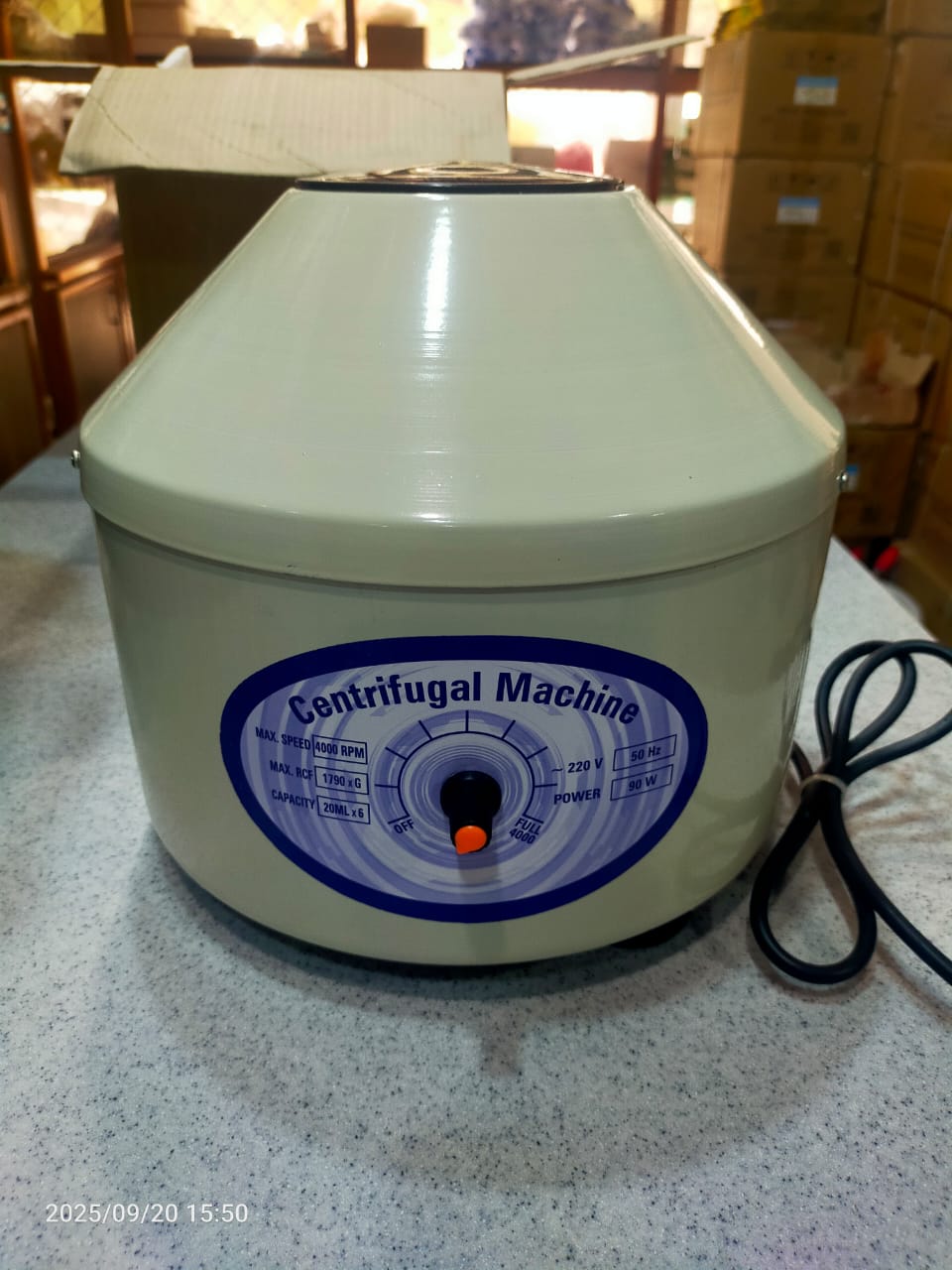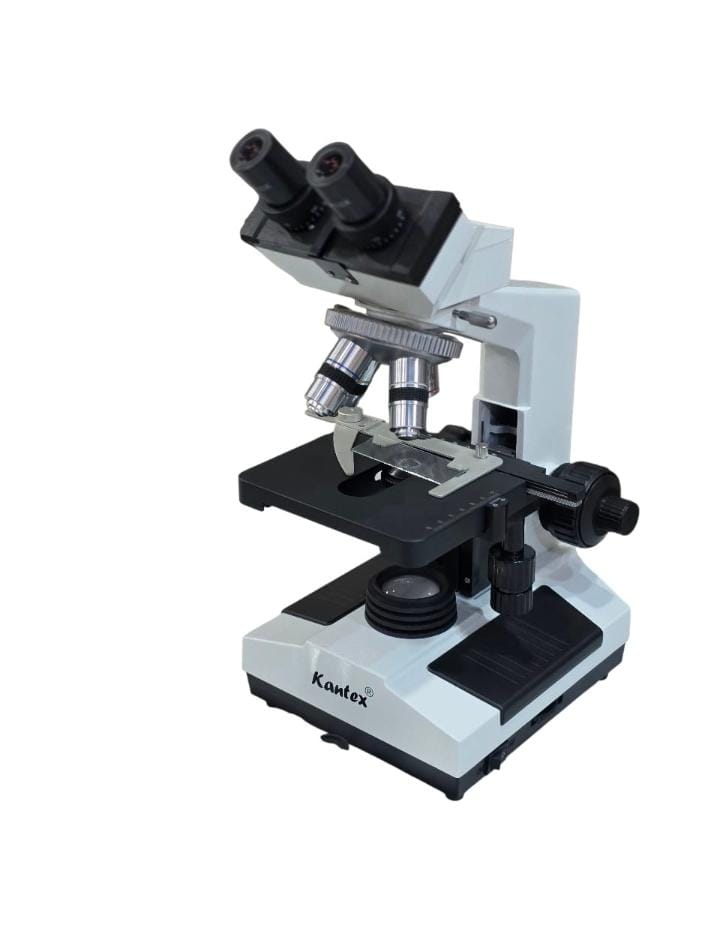

The Grave Sand Apparatus is a fundamental teaching and demonstration tool for physics laboratories, particularly useful in the study of soil mechanics and granular material behavior. This apparatus is specifically designed to provide a visual and practical understanding of how sand particles behave under various physical conditions, making it an essential instrument for both academic and research purposes.
In the field of physics and engineering education, it is crucial to move beyond theoretical concepts and provide learners with hands-on experience. The Grave Sand Apparatus bridges that gap by allowing students to directly observe how granular materials like sand settle, compact, and react under applied forces. This makes it an excellent resource for studying soil structure, permeability, and compaction properties, which are critical topics in physics, earth sciences, and civil engineering foundations.
The apparatus is built with high-quality and durable materials to ensure reliability during repeated laboratory use. Its transparent components allow clear observation of sand flow and settlement, while its robust construction guarantees consistent performance in academic environments. The design is simple yet effective, enabling instructors to demonstrate experiments quickly and students to grasp key concepts without difficulty.
In Pakistan, where laboratory education is an integral part of the curriculum in schools, colleges, and universities, the Grave Sand Apparatus serves as a highly valuable resource. It supports teachers in delivering quality education by reinforcing theoretical knowledge through practical demonstration. Moreover, it encourages students to develop scientific thinking, critical analysis, and experimental skills—qualities that are essential for advanced studies in physical sciences and engineering.
Another advantage of this apparatus is its versatility. It can be used not only in physics labs but also in related disciplines such as civil engineering and geology. By simulating real-world conditions on a manageable scale, the apparatus helps students understand concepts that are directly relevant to industries like construction and environmental science.